

Call Us: 267-639-6250
Q&A with Matthew Bellew, DO, a board-certified anesthesiologist
Special Smiles has many important partnerships with residential facilities, programs and agencies serving people who have intellectual, developmental, psychological, and physical disabilities. We are pleased to introduce you to our partners.
Special Smiles is among the outpatient medical facilities served by AIA. Please tell us a little about AIA.
Associates in Anesthesia, Inc. (AIA) has been providing excellence in anesthesia services to the Delaware Valley since its inception in 1961. We are one of the premier anesthesia practices in Pennsylvania and currently serve hospitals, surgery centers, and office-based facilities across seven counties in the region.
AIA has worked with Special Smiles for many years. What makes the relationship successful?
Our shared team approach and commitment to providing high-quality patient care are key to the success of the relationship. Everyone involved in the program takes pride in their work and in the care provided to this unique patient population.
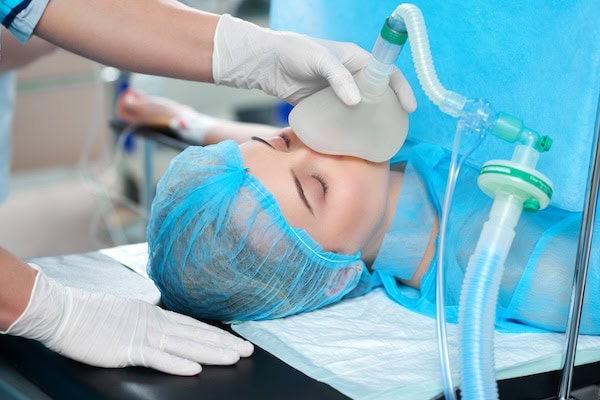
All Special Smiles patients receive general anesthesia so that they are unconscious during treatment. When and how do you administer the anesthesia?
Patients receive general anesthesia in our state-of-the-art treatment rooms, which are equipped with appropriate monitoring and anesthesia equipment, including a full anesthesia machine. Once the patient is under general anesthesia and will not remember anything, a breathing tube is placed into the windpipe to help protect the airway and support safe breathing throughout the procedure.
What steps do you take to keep the patient safe during treatment?
All anesthetics are provided by an anesthesiologist or by a certified registered nurse anesthetist working under the direction of an anesthesiologist. The anesthesia provider continuously monitors the patient throughout the procedure using standards established by the American Society of Anesthesiologists.
Most Special Smiles patients are medically fragile. What additional challenges does this present and how do you overcome those challenges?
Medically optimizing these patients can present some of the biggest challenges in preparing for treatment. We use a systematic approach that gathers information from the patient’s primary care team as well as any necessary specialists. This process can take time for patients, caregivers, and our team. It requires close coordination among dentists, anesthesiologists, nurses, and schedulers to ensure that each patient is appropriately prepared for treatment.
What else would you like caregivers and families to know about general anesthesia?
In medicine, we aim to maximize benefits and reduce risks. Good dental health plays an important role in overall health and quality of life. Using a coordinated team approach, we carefully evaluate and medically optimize patients to provide high-quality anesthesia care in a safe, state-of-the-art setting. This approach allows patients to receive the dental care they need to improve their comfort, health, and quality of life.
