

Call Us: 267-639-6250
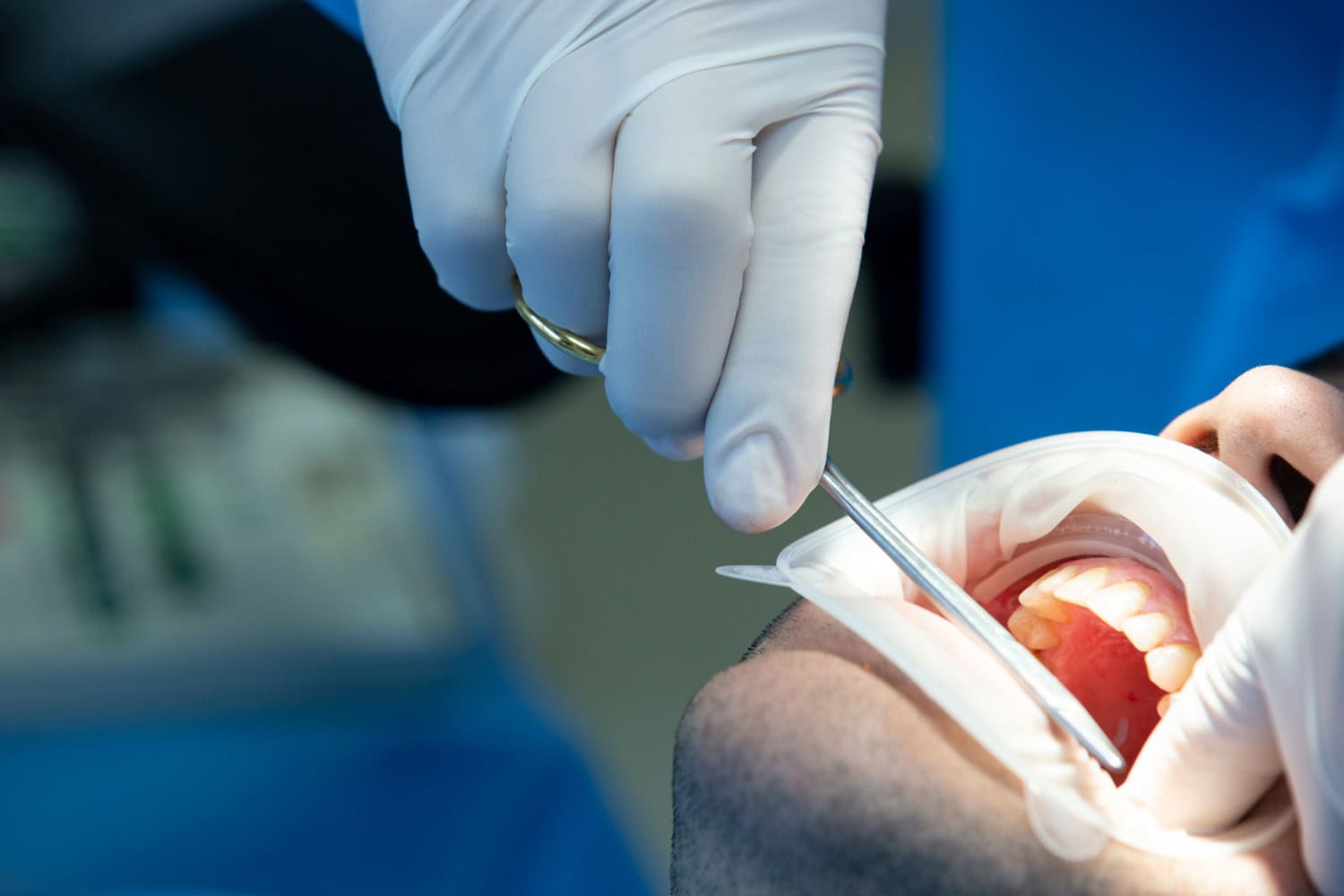
For caregivers of a loved one with special needs, the idea of general anesthesia for dental treatment can bring up plenty of questions. What will happen before the appointment? What information does the anesthesia team need? How will they know if your loved one is uncomfortable if they cannot communicate it themselves? And what should you expect when you bring them home?
At Special Smiles, general anesthesia makes it possible to provide comprehensive dental care for individuals whose physical, intellectual, psychological, or developmental disabilities prevent them from receiving routine treatment in a traditional dental office. Careful preparation is an important part of making that treatment as safe and comfortable as possible.
Here is what caregivers should know about preparing for general anesthesia and what to expect before, during, and after treatment.
Preparation for anesthesia begins well before the day of dental treatment.
During the pre-anesthesia evaluation, the anesthesia team reviews the patient’s medical and surgical history, current medications, previous experiences with surgery and general anesthesia, and any history of anesthesia complications among immediate family members.
When the evaluation takes place in person, the anesthesiologist will also conduct an airway assessment. This can include looking at the patient’s ability to open their mouth, assessing neck movement, and identifying loose teeth, dentures, or other factors that could affect airway management.
Depending on the patient’s age, health, and medical history, additional diagnostic testing or medical clearance may be necessary before treatment can proceed.
Caregivers play an essential role in this process. Be prepared to provide as complete a picture as possible, including:
This information helps the anesthesia team identify potential risks and develop an anesthesia plan specifically for that individual.
Before the procedure, caregivers will receive instructions about medications and when the patient must stop eating and drinking. A member of the nursing team will reinforce the instructions provided by the anesthesia team during the preoperative appointment and the day prior to the procedure.
Following these instructions exactly is extremely important.
During general anesthesia, patients cannot protect their airway in the same way they normally would. If there is food or liquid in the stomach, there is a risk that stomach contents could enter the lungs, known as aspiration. An empty stomach helps reduce that risk.
Caregivers should also not make assumptions about regular medications. The anesthesia team will provide specific instructions about which medications should or should not be taken on the morning of treatment. When a medication has been approved for that morning, caregivers should follow the team’s instructions for administering it. They should only be swallowed with a sip of water or clear jello.
If anything about the instructions is unclear, ask. The anesthesia team would much rather answer a question beforehand than have a caregiver guess.
Medical history is only part of what the team needs to know.
For individuals with autism, intellectual or developmental disabilities, sensory sensitivities, or communication differences, preparation must be individualized.
That’s an area where caregivers are invaluable.
You know the person you care for. You know what frightens them, what overwhelms them, what reassures them, and how they typically respond to unfamiliar people and environments.
Share that information with the team.
Tell them about triggers, sensory sensitivities, preferred methods of communication, familiar routines, comfort items, and strategies that have helped the patient remain calm during other medical experiences. The more the team understands about the individual, the better they can work to reinforce a calm, safe environment.
Caregivers should also explain how their loved one communicates discomfort.
For example, someone who cannot say “I’m in pain” may clench their hands, furrow their brow, become restless, withdraw, vocalize, or demonstrate another behavior that their caregiver recognizes.
The anesthesia team is trained in pain management and can assess physical and behavioral signs of discomfort even when a patient cannot verbally describe what they are feeling. Information from caregivers adds another important layer to that assessment.
It is understandable for caregivers to feel anxious when their loved one is under general anesthesia. One reassuring fact to remember is just how closely a patient is observed while under anesthesia.
The operating room is a highly monitored and highly resourced environment. A licensed anesthesia professional continually assesses and monitors the individual patient, supported by a dedicated team prepared to identify and manage potential risks.
At Special Smiles, comprehensive treatment under general anesthesia allows the dental team to address the patient’s oral health needs while the patient is safely anesthetized. Treatment includes an examination, full-mouth X-rays, cleaning, fluoride, and additional dental procedures based on what the dentist finds and what the patient needs.
Following treatment, the patient is awakened and transferred to recovery, where nursing staff provides one-on-one care until the patient is ready to go home.
Caregivers should plan to devote the day of treatment to their loved one’s care. In most cases, one day away from normal work, school, or program activities will be appropriate, although every patient’s recovery is different and the care team will provide individualized instructions.
Some advance planning can make the return home easier.
When possible, consider having two adults available to help. This can be particularly useful during the trip home and while getting the patient safely settled.
Before leaving for the appointment, have soft, cool foods available at home for when the patient is cleared to eat. Families with other children should also consider arranging help with siblings so the recovering patient can receive the close attention they need.
Most importantly, follow the discharge instructions provided by the patient’s care team. Those instructions will be based on the individual’s treatment, medical history, and response to anesthesia.
For caregivers, preparing a loved one with special needs for dental treatment under general anesthesia may feel daunting. Providing detailed histories, obtaining medical information, following fasting requirements, and planning for recovery all require some extra time and effort.
But each step serves an important purpose.
At Special Smiles, caregivers are essential partners in creating a safe, individualized experience. You bring knowledge of the person that no medical chart can provide. The dental, nursing, and anesthesia professionals bring their clinical expertise and experience caring for individuals with complex needs.
Working together, the goal is the same: to provide the dental care your loved one needs in an environment designed around their safety and comfort.
