

Call Us: 267-639-6250
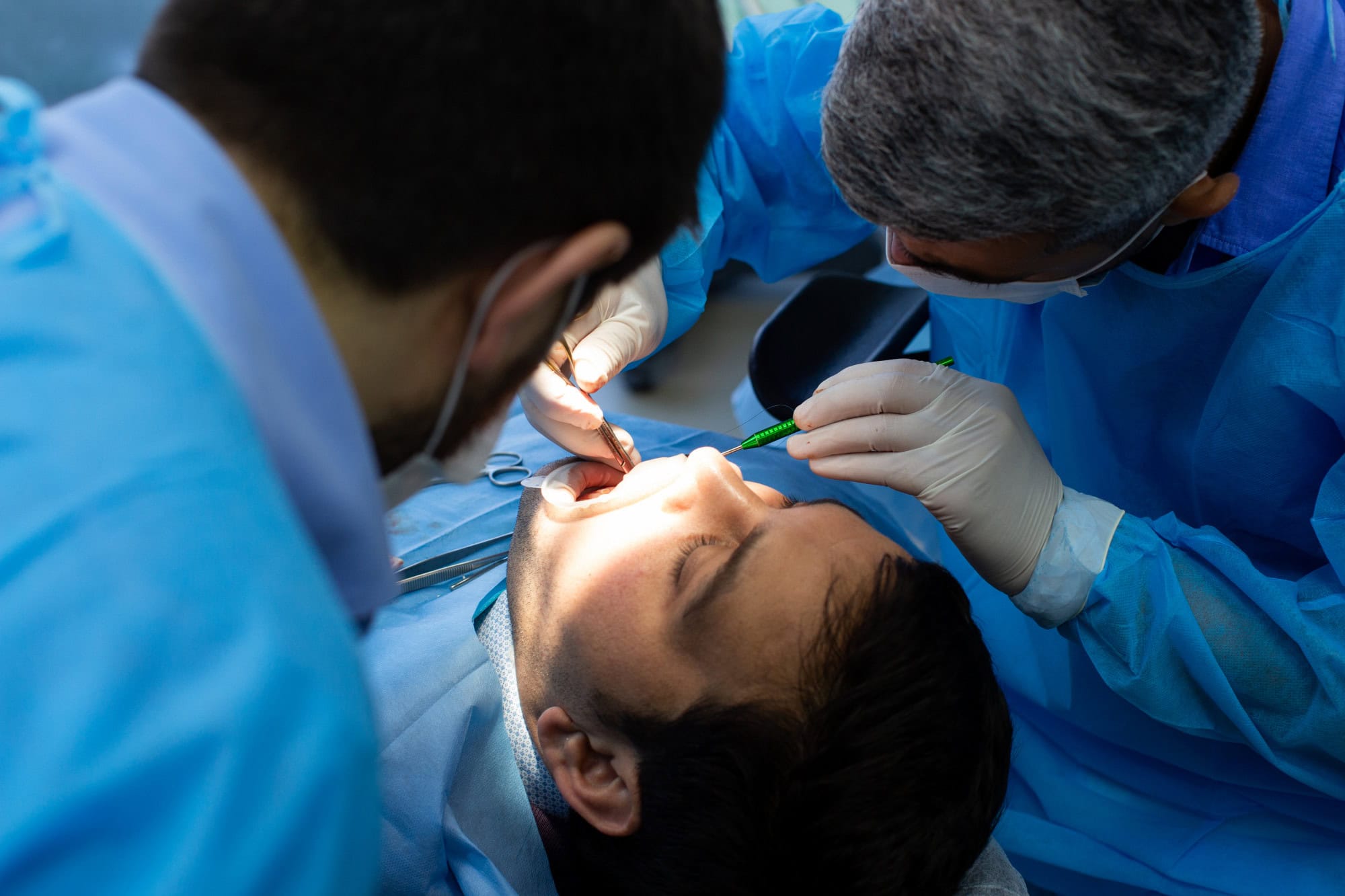
For many people, a trip to the dentist happens only after something starts to hurt. But for individuals with diverse cognitive, physical, emotional, or developmental needs, waiting until there’s a problem can have serious consequences — not just for their oral health, but for their overall well-being.
Unfortunately, individuals with complex disabilities are often unable to tolerate treatment in a regular dental setting, often resulting in delayed/deferred care. There are few resources available for these individuals, but Special Smiles provides comprehensive oral healthcare to individuals with intellectual, psychological, or developmental disabilities who require general anesthesia to safely receive care.
At Special Smiles, we believe the best dental care is proactive, not reactive. By establishing routine preventive care and an ongoing relationship with a dental team experienced in treating patients with special needs, families and caregivers can help avoid painful emergencies, reduce medical risks, and improve quality of life.
Routine examinations and professional cleanings can identify cavities, gum disease, damaged teeth, or other concerns before they become painful or require extensive treatment.
“Preventive care decreases the amount of dental work that needs to be completed during each appointment,” says Dr. Jordan Strott, DMD, from Special Smiles. “That means less time under anesthesia, fewer risks associated with treatment, and a much lower chance of needing emergency dental care.”
Emergency dental visits often result in more invasive procedures, higher healthcare costs, frightening trips to the Emergency Room, and, in some cases, the unnecessary extraction of teeth that might have been saved through earlier intervention. Preventive care helps avoid these situations whenever possible.
Just as importantly, having an established dental provider means already knowing where to turn if an urgent issue does arise. Rather than searching for a dentist who is equipped to care for someone with special needs during a crisis, patients already have a trusted dental home and a team that understands complex medical history and individualized needs.
Research continues to demonstrate the strong connection between oral health and overall health. “Gum inflammation and untreated dental disease have been linked to serious medical conditions, including cardiovascular disease and diabetes,” says Dr. Strott. “Dental infections can also spread beyond the mouth and cause harm.”
Painful teeth also affect nutrition. If chewing becomes uncomfortable, individuals may avoid healthy foods or stop eating altogether, increasing the risk of weight loss or gain, and poor nutrition.
Good oral health also affects emotional well-being.
Visible tooth decay, missing teeth, or chronic bad breath can impact confidence, social relationships, and even employment opportunities. For individuals with special needs — who may already face social barriers — maintaining healthy teeth and a comfortable smile can play an important role in participating more fully in school, work, community activities, and relationships.
One of the greatest challenges in caring for individuals with intellectual and developmental disabilities is that dental pain often looks very different than it does for neurotypical patients.
“Many people cannot easily communicate that something hurts or describe where the pain is coming from,” says Dr. Strott. “Instead, they may express discomfort through changes in behavior.”
A person experiencing significant dental pain may:
Without recognizing that oral pain may be the underlying cause, caregivers and healthcare providers may focus on treating behavioral symptoms rather than addressing the dental problem itself.
Annual dental visits can address newly emerging dental needs as well as provide preventative oral care, greatly reducing the risk that a hidden oral health issue goes undetected for weeks or months.
Some individuals have limited fine motor skills, making daily brushing and flossing challenging. Others have sensory sensitivities to toothpaste flavors, textures, or toothbrushes that make oral hygiene stressful.
Transportation can also be difficult. Many patients depend on caregivers for appointments, and families and caregivers are often balancing multiple medical specialists, therapies, and daily responsibilities. As a result, dental care can unintentionally move lower on the priority list.
Special Smiles understands these realities.
Our team works closely with patients and caregivers to recommend adaptive toothbrushes, specialized oral hygiene products, behavioral strategies, and individualized approaches that make daily dental care more routine and effective.
For most patients, professional cleanings and examinations are recommended every six months. While most insurance plans cover this frequency, many individuals with intellectual or developmental disabilities face significant barriers to receiving this care. A shortage of specialized providers, lack of facility accommodations, and complex insurance rules mean many vulnerable patients miss out on these vital, timely checkups. Patients at higher risk for cavities, whether because of medications, dry mouth, diet, or difficulty maintaining oral hygiene, may benefit from appointments every three to six months, when coverage allows.
To help families stay on track, Special Smiles schedules each patient’s next annual appointment before they leave the office, making preventive care part of an ongoing routine rather than something to remember later.
Before treatment, caregivers help coordinate medical clearances and prepare patients for their visit. Understanding these requirements ahead of time can prevent unnecessary delays in care.
After treatment — particularly procedures involving anesthesia — caregivers play an equally important role by monitoring recovery, watching for bleeding, helping patients safely return to their normal diet, and ensuring that post-operative instructions are followed.
Caregiver knowledge is equally important.
Special Smiles works closely with caregivers to recommend adaptive oral hygiene tools, discuss behavioral techniques, and identify products that match each individual’s unique needs. These conversations help build confidence while making daily oral care more manageable at home.
For individuals with special needs, preventive dental care is one of the simplest ways to improve long-term health, reduce medical complications, and avoid unnecessary stress for patients and caregivers alike.
By identifying problems early, minimizing the need for extensive treatment, and providing consistent education and support, preventive care protects far more than a smile — it helps preserve comfort, nutrition, communication, confidence, and quality of life.
To learn more about how an individual with complex special needs can become a patient at Special Smiles, visit specialsmilesltd.com/new-patient-info.
